

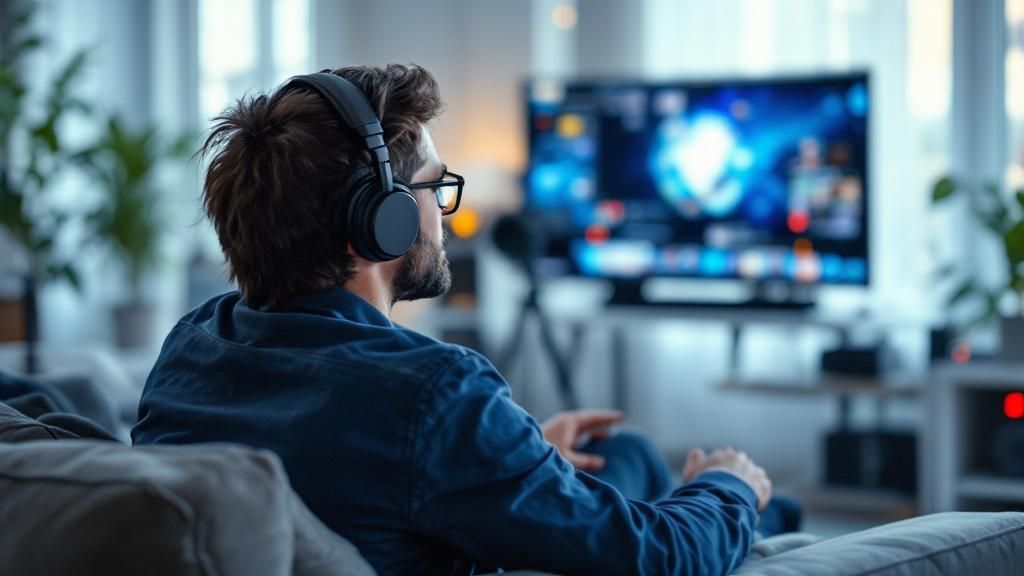
The traditional cinema viewing has undergone a seismic shift in recent years, with streaming services radically transforming how audiences consume films from the comfort of their homes. Gone are the days when moviegoers had few choices; today’s viewers have unparalleled access to extensive collections of content at their disposal. This article investigates how platforms like Netflix, Disney+ and Amazon Prime have reshaped the media landscape, analysing the technical advances, evolving audience tastes, and societal impacts that have changed domestic film viewing into an ever more refined and tailored experience.
The Rise of Streaming Services in Contemporary Media
The rise of streaming services has significantly reshaped the entertainment sector in the last ten years. What started as a niche alternative to traditional cinema has evolved into a leading force, changing how millions of people globally watch audiovisual content. Providers like Netflix, Disney+ and Amazon Prime have committed substantial resources in content procurement and original programming, creating unprecedented competition with traditional cinema releases. This transformation reflects significant shifts in audience preferences, technological innovation and the internationalisation of media markets, positioning streaming as the main platform through which audiences now watch film content.
The accessibility and convenience offered by streaming platforms have proven irresistible to modern viewers. With subscription services eliminating the need for costly theatre visits or buying DVDs and Blu-rays, viewers can quickly browse extensive catalogues from their homes. The ability to watch on-demand, pause whenever you like and explore personalised recommendations has transformed viewing habits. Furthermore, these platforms have democratised access to world films and diverse content, enabling audiences in isolated areas to experience films that weren’t accessible before. This shift represents not merely a change in distribution method, but a complete transformation of how people enjoy media itself.
Easy Access and Availability Revolutionising Watching Patterns
Streaming services have dramatically reshaped the way audiences consume cinema, eliminating geographical and temporal barriers that once restricted viewing options. Rather than following rigid cinema schedules or travelling to physical locations, viewers can now enjoy movies instantaneously from their homes, at times that fit their schedules. This extraordinary ease has democratised film consumption, enabling people across the United Kingdom to access the same premium content simultaneously, regardless of their location or socioeconomic circumstances.
The accessibility revolution surpasses simple ease of use, embracing digital innovations that enhance the playback quality considerably. Contemporary streaming services offer multiple resolution options, from standard definition to 4K ultra-high definition, allowing users to tailor their setup depending on their broadband capacity and technical equipment. Furthermore, options including tailored content picks, adjustable captions in numerous languages, and dynamic streaming systems guarantee that films remain accessible to diverse audiences, particularly for people with hearing or visual impairments.
Perhaps most notably, streaming services have eroded the exclusivity that traditionally surrounded cinema releases. Films become available concurrently throughout multiple platforms and regions, removing the frustration of territorial release delays. This worldwide access has fostered a increasingly inclusive entertainment ecosystem, where audiences around the world can engage in cultural conversations about films instantly, substantially changing how cinema functions as a communal cultural experience.
Quality of Original Content and Productions
Streaming services have fundamentally transformed the quality bar for new material, committing vast sums to prestigious productions that rival conventional theatrical films. Platforms such as Netflix, Disney+ and Amazon Prime now develop award-winning films and series from acclaimed directors and screenwriters, securing elite professionals previously exclusive to cinema screens. This commitment has made widely available high-quality entertainment, allowing viewers to access theatrical-standard entertainment from their living rooms. The competitive landscape among streaming leaders has fostered an remarkable creative flourishing, with each platform pursuing artistic credibility and viewer interest through inventive narratives and superior craftsmanship.
The breadth of original productions available through digital services has revolutionised viewer expectations and consumption habits markedly. From acclaimed dramas to large-scale productions, these providers provide broad content selection catering to different preferences and audience segments. Many critically acclaimed films now premiere directly on streaming platforms, disrupting standard theatrical distribution models. This transition has allowed independent directors to reach global audiences instantly, promoting cultural exchange and creative innovation. As a result, viewers now benefit from unlimited options, with premium exclusive programming constantly replenishing their entertainment choices and improving their domestic viewing experience considerably.
The Future of Film and Viewer Connection
The evolution of streaming platforms indicates an increasingly immersive outlook for domestic viewing. Advanced technologies such as 8K picture quality, spatial audio, and VR integration promise to enhance the domestic viewing experience to new levels. As budgets for streaming content remain match theatrical releases, the difference between high-end cinema and domestic entertainment will blur further. Audiences can anticipate increasingly advanced interactive features, personalised content curation driven by artificial intelligence, and seamless integration across various devices, completely reshaping what it involves watch films at home.
At the same time, the relationship between streaming services and conventional movie theatres is developing into a increasingly collaborative relationship rather than outright competitive conflict. Studios now acknowledge the value of theatrical releases for major blockbusters whilst embracing streaming for varied, specialist programming. This blended approach benefits audiences by maintaining the communal cinema experience whilst broadening access for those who cannot visit theatres. The future certainly belongs to a varied media landscape where streaming services and conventional cinemas operate alongside one another, each catering to different viewer tastes and consumption habits in an increasingly personalised media landscape.
